




Rebranding Revelation: Discover Your Company’s Next Big Idea

rebranding business ideas

Why Smart Companies Pursue Strategic Rebranding

Rebranding business ideas are strategic moves that transform how customers, competitors, and the market perceive your company. Here’s what drives successful rebrands:

Top Rebranding Business Ideas:

  • Nostalgic Refresh – Revive heritage elements to connect with loyal customers and new audiences
  • Modern Makeover – Update visual identity to signal innovation and contemporary relevance
  • Repositioning Pivot – Target new demographics or market segments with evolved messaging
  • Expansion Rebrand – Unify identity after mergers or new service offerings
  • Digital-First Change – Redesign for mobile, cross-platform consistency
  • Reputation Recovery – Distance from negative associations through visible commitment to change
  • Market Differentiation – Stand out in crowded markets with bold, distinctive branding

Rebranding is a strategic reset to realign your company with future goals and spark new growth. Industry research shows 45% of businesses rebrand to reposition themselves, and 88% of CMOs agree brand-building is key for resilience during economic uncertainty.

However, rebranding carries risks. Poor execution can alienate customers and waste resources. Success lies in understanding when to rebrand, how to execute it, and what your audience needs.

This guide walks you through proven rebranding business ideas, real-world examples, and a practical roadmap to inspire your company’s next strategic move.

I’m Chris Hornak, Co-Founder of Swift Growth Marketing. We’ve helped dozens of brands transform their market position through strategic rebranding. My experience with education, SaaS, and e-commerce companies has shown me how the right rebrand can turn invisible brands into category authorities.

Why Rebrand? Key Signs and Strategic Drivers

A rebrand is a powerful growth catalyst, not just a cosmetic fix. It’s a strategic move to recapture authority and relevance, especially in uncertain economic times. It transforms brand perception for customers, employees, and stakeholders, going beyond superficial changes.

Signs It’s Time for a Business Rebrand

So, how do you know if it’s time for a rebrand? Here are some key indicators we look for:

  • Outdated visuals: Your branding looks out of touch, no longer matches your positioning, or even causes embarrassment.
  • Evolved audience: Your brand hasn’t kept up with your evolving customer base, such as a new demographic or geographic region.
  • Outgrown identity: Your startup-era brand no longer reflects your company’s current value, sophistication, or expanded offerings, limiting growth.
  • New market entry: Mergers, acquisitions, or expansion into new markets require a unified identity that speaks to the new audience and reflects shared values.
  • Inconsistent messaging: Different departments tell different brand stories, leading to external confusion. A rebrand can unify your narrative.
  • Losing to competitors: You’re losing deals to competitors with better branding, even if your product is superior. A strong brand can help you command a premium.
  • Negative associations: A rebrand can signal a commitment to change and provide a fresh start when distancing from a poor reputation.

When Rebranding is the Wrong Move

Just as there are compelling reasons to rebrand, there are also scenarios where it’s best to pump the brakes. A rebrand isn’t a universal solution.

  • Boredom: Changing your logo simply because you’re bored with it is a poor reason. Consistency builds customer loyalty, and change for its own sake can alienate your audience.
  • A quick fix for sales: A rebrand won’t solve dipping sales. Address the root causes, like marketing strategy or market research, instead of expecting a new logo to be a magic bullet.
  • Covering up a crisis: A rebrand can’t cover up a PR crisis without genuine institutional change. Consumers will see through superficial changes if underlying problems persist.
  • No clear strategy: A rebrand without a clear business direction or Growth Strategy Framework is likely to fail. It must be a purposeful move, not a knee-jerk reaction.

12 Inspiring Rebranding Business Ideas & Examples

Rebranding, when done right, can be a game-changer. It can revitalize a brand, attract new customers, and solidify market position. Let’s explore some impactful rebranding business ideas and learn from brands that got it right.

Idea 1: The Nostalgic Refresh (Partial Rebrand)

This strategy taps into a brand’s heritage to connect with a new generation while engaging loyal customers.

  • Nickelodeon: In 2023, Nickelodeon brought back its iconic “splat” logo. This clever move tapped into nostalgia for parents who grew up with the brand while appealing to a new generation of kids, positioning Nick as a brand for the whole family.
  • Kodak: The photography giant revived its classic branding to accept its heritage, signaling a return to its roots and a focus on direct-to-consumer sales.
  • Pringles: In 2021, Pringles gave its mascot, Mr. P, a simpler, contemporary look. This refresh modernized the brand while maintaining its iconic identity.

Idea 2: The Modern Makeover (Visual Identity Overhaul)

A visual overhaul can signal a shift towards modernity and innovation.

  • Pepsi: For its 125th anniversary, Pepsi unveiled a new logo with bolder colors and a vintage feel. It balanced the brand’s heritage with a modern look, maintaining recognition while evolving.
  • LG: In 2023, LG updated its logo from 3D to a flat, 2D design. The new logo is animated and expressive, giving the brand a younger, more playful appearance for digital platforms.
  • Reddit: Reddit’s 2023 rebrand gave its mascot, Snoo, a dynamic 3D look. This visual refresh was paired with four new brand pillars to create a more playful and distinct identity.

Idea 3: The Repositioning Pivot (Targeting a New Audience)

Shifting your brand’s position can attract a new, more profitable demographic.

  • Gucci: In 2015, Gucci pivoted from a polished, provocative image to a quirky, contemporary one to attract younger, millennial consumers.
  • Jell-O: Jell-O’s 2023 rebrand used a new logo and playful packaging to attract younger parents and kids, successfully making the classic brand relevant to a new generation.
  • WhatsApp: In 2023, WhatsApp rebranded to position itself as more than a messaging app, focusing on its role as a secure tool for connection and change. The new identity aimed for global appeal, setting it apart from other Meta brands.

Idea 4: The Expansion Rebrand (Mergers & New Offerings)

When a company expands its services or merges with another, a rebrand is essential to communicate the new, unified identity.

  • Wise (formerly TransferWise): The company shortened its name to Wise to reflect its expansion beyond just money transfers. The new name supports a broader suite of services, including multi-currency accounts.
  • Eurostar: After merging with Thalys, Eurostar launched a new brand identity in 2023. The goal was to unify the two companies and support an ambitious growth target, which led to increased sales and online conversions.

Cautionary Tales: Rebranding Business Ideas That Failed

Not all rebrands are successful. These examples highlight the importance of research and customer engagement in the rebranding process.

  • X (formerly Twitter): The abrupt 2023 rebrand from Twitter to X was met with significant user resistance, leading to a surge in 1-star app reviews. The change alienated users who disliked the new name and logo.
  • Comcast (Xfinity): Comcast rebranded its services to Xfinity to escape a poor customer service reputation. However, without fixing the underlying operational issues, the change only created customer confusion.
  • Gap: In 2010, Gap’s attempted logo change was met with such public outrage that the company reverted to its original logo in just one week, highlighting the risk of ignoring customer attachment to a brand.
  • Tropicana: In 2009, Tropicana’s new packaging removed the iconic “orange with a straw” logo. The generic design confused consumers, causing a 20% sales drop and a swift return to the original packaging.
  • Weight Watchers (WW): The rebrand to WW aimed to shift focus from weight loss to wellness. However, the change confused loyal customers, alienated its core base, and erased decades of brand recognition.

Your Rebranding Roadmap: A 7-Step Strategy for Success

A successful rebrand requires a meticulous plan. This step-by-step process ensures your new brand identity is built on a solid foundation and launched for maximum impact.

Step 1: Research & Findy (The Brand Audit)

This initial phase is a deep dive into your brand. We conduct thorough research to establish clear objectives and define how success will be measured.

  • Market analysis: Analyze industry trends, customer preferences, and competitor strategies.
  • Competitor research: Identify differentiation opportunities by analyzing competitor branding.
  • Customer data: Use surveys, focus groups, and social media intelligence to understand customer perceptions of your brand. Fast Marketing Wins Happen When You Listen to Customer Data.
  • SWOT analysis: Conduct a SWOT analysis to inform your rebranding strategy.
  • Internal assessment: Involve employees through stakeholder interviews to gain buy-in and understand internal perspectives.

Step 2: Define Your New Brand Strategy

With your research complete, it’s time to build your new brand strategy. This defines what your brand stands for, what it promises, and how it communicates.

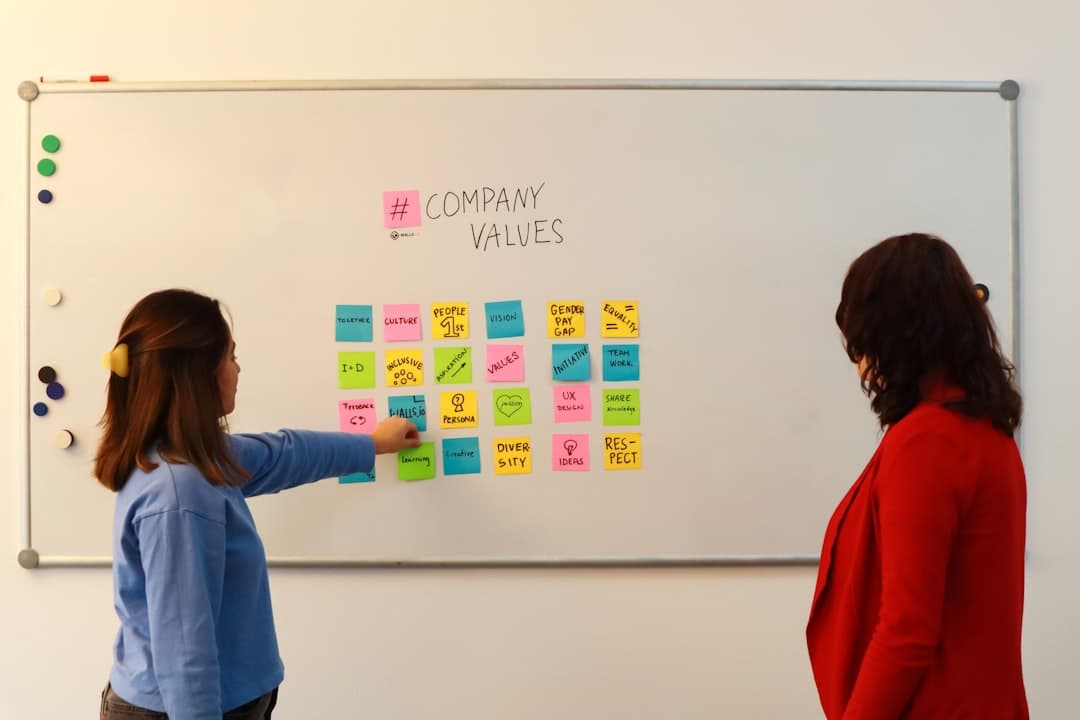
  • Vision, Mission, Values: Redefine your company’s mission, vision, and values to align your brand with your business strategy.
  • Brand positioning: Craft a clear positioning statement that differentiates you from competitors.
  • Brand voice: Define your brand’s voice, tone, and personality to guide all communications consistently. Brand Voice Elements.
  • Slogan: A new slogan can effectively communicate your new message and is often easier to change than a name.

Step 3: Develop Your New Visual Identity

This step translates your brand strategy into tangible visual elements.

  • Logo design: A new logo signals change. It should be simple, impactful, and adaptable. Our Brand Studio Services for Companies can help.
  • Color palette: Colors have a major impact on branding. We select a palette that aligns with your brand personality and differentiates you from competitors.
  • Typography: Your font choice is critical for legibility and personality. We ensure consistency across all print and digital applications.
  • Imagery: Your photography and illustrations should reinforce your brand message and resonate with your target audience.

Step 4: Plan for a Full vs. Partial Rebrand

The scope of your rebrand depends on your goals. A partial rebrand refreshes your look, while a full rebrand redefines your entire identity. Understanding the difference is crucial for effective planning.

A partial rebrand is a refresh that focuses on adjusting visual elements like a logo or color palette while retaining brand loyalty. It aims to modernize the existing brand without altering its core essence.

A full rebrand involves a comprehensive overhaul, which can include a new name, logo, and mission. It represents a major change to the company’s status quo, offering a fresh start and new direction.

FeaturePartial Rebrand (Refresh)Full Rebrand (Overhaul)
GoalModernize, stay relevant, minor pivotMajor strategic shift, merger, new mission
ChangesLogo tweak, new color palette, updated visualsNew name, new logo, new mission/vision
RiskLow to moderateHigh
ExampleMascot redesignComplete name and identity change

Step 5: Create a Comprehensive Rollout Plan

A successful rebrand requires a careful rollout plan that considers finances, resources, and communication.

  • Financial implications: Rebranding is a significant investment. The cost depends on your business’s size and scope, so it’s crucial to set a clear budget from the start.
  • Resource allocation: Ensure you have the time and budget for every stage, from research and design to implementation.
  • Internal communication: Involve employees early, as they are your most important brand ambassadors. Provide training and resources to ensure they are aligned with the new brand.
  • External communication plan: Create a detailed plan for the external rollout, identifying key messages, audiences, and channels. Our Company Rebranding Strategy services can help.

Step 6: Execute the Launch & Communicate Effectively

The launch is your chance to announce your new identity and explain the “why” behind it. Clear communication is key to generating excitement and avoiding confusion.

  • Internal launch: Announce the rebrand to your team first to ensure they are informed and ready to represent the new brand.
  • Press release: Use a How to Write a Press Release to announce the launch to media and stakeholders, generating buzz with a unified message.
  • Digital campaigns: Announce the rebrand through social media, email marketing, and your website.
  • Google Ads strategy: Use Google Ads to target your old brand name, informing searchers of the change and directing them to a landing page.

Step 7: Ensure Consistency & Manage Your Digital Presence

After the launch, maintaining consistency across all touchpoints is critical for long-term success.

  • Brand guidelines: Create a comprehensive style guide documenting rules for your new logo, colors, typography, and voice to ensure consistency.
  • Updating all touchpoints: Update all brand materials, from your website and social media profiles to email signatures and business directory listings.
  • Website migration: For a domain change, migrate your site carefully. Use 301 redirects to preserve SEO value, notify Google via Google Search Console, and update all content and metadata.
  • Local listings: For local businesses in Pittsburgh, PA, or Wheeling, WV, update your Google Business Profile and other local citations to reflect the new brand identity.
  • Knowledge Panel & Wikipedia: Claim your knowledge panel and request updates to reflect your new brand. If you have a Wikipedia page, request changes to reflect the new name, citing third-party sources. Update your Wikidata entry as well.

Measuring the Impact of Your Rebrand

Measuring a rebrand’s impact is essential to evaluate success and justify the investment. We track key metrics to ensure the new brand resonates with your audience and drives growth.

Key Metrics to Track for Rebranding Success

  • Brand awareness: Monitor brand mentions, media coverage, and direct website traffic.
  • Search volume: Track the search volume shift from your old brand name to the new one to gauge audience adoption.
  • Website traffic: Analyze overall traffic and engagement metrics to see if the new brand is attracting and retaining visitors.
  • Lead generation: Monitor lead quality and quantity to see if the rebrand is attracting better prospects.
  • Sales revenue: Assess post-rebrand sales figures to measure direct financial impact.
  • Customer feedback: Use surveys and focus groups to gather feedback and monitor sentiment around the new brand.
  • Social media engagement: Track mentions, shares, and sentiment on social media to gauge communication success.
  • Return on Investment (ROI): A successful rebrand should increase sales, loyalty, and market share. We focus on Maximizing ROI of Paid Media to ensure tangible returns.

Tools for Monitoring Your New Brand Identity

We use a suite of powerful tools to track these metrics and keep a pulse on your brand’s health:

  • Google Trends: Analyze search volume transition from your old name to the new one.
  • SEO and market intelligence tools: We use comprehensive tools to track keyword rankings, organic traffic, and competitive landscape shifts post-rebrand.
  • Google Alerts: Track new mentions of your brand name across the web to monitor sentiment.
  • Social listening tools: Monitor conversations, sentiment, and engagement across social media channels.
  • Customer surveys: Gather direct feedback on brand perception and satisfaction.

Analyzing the Long-Term Impact on Your Business

Beyond immediate metrics, we analyze the long-term impact of your rebrand to ensure sustained growth.

  • Customer loyalty: A successful rebrand can strengthen customer loyalty by aligning your brand with consumer values.
  • Market positioning: Your rebrand should improve your market position and help you stand out from competitors.
  • Brand equity: We assess how the rebrand impacts your brand equity—the commercial value derived from consumer perception—while honoring your brand’s legacy.
  • Employee morale: A clear purpose articulated through a rebrand can improve employee efficiency, innovation, and retention.
  • AI Brand Reputation Management: We use AI tools to manage your brand’s reputation post-rebrand, monitoring sentiment to ensure a positive perception.

Conclusion: Is a Rebrand Your Next Big Move?

Rebranding is a transformative journey that can redefine your company’s future. It’s a strategic decision that, when executed correctly, can boost brand awareness, strengthen customer loyalty, and drive significant growth. The process requires deep research, a clear vision, and flawless execution across all digital and physical touchpoints. If you’re considering a rebrand to open up your company’s full potential, partnering with an experienced agency like Swift Growth Marketing can provide the strategic guidance and execution needed for a successful change. Explore our Branding services to see how we can help you build a brand that lasts.