


More Than Just a Welcome Mat: Mastering Hospitality Branding

Why Hospitality Branding Is Your Most Valuable Competitive Asset
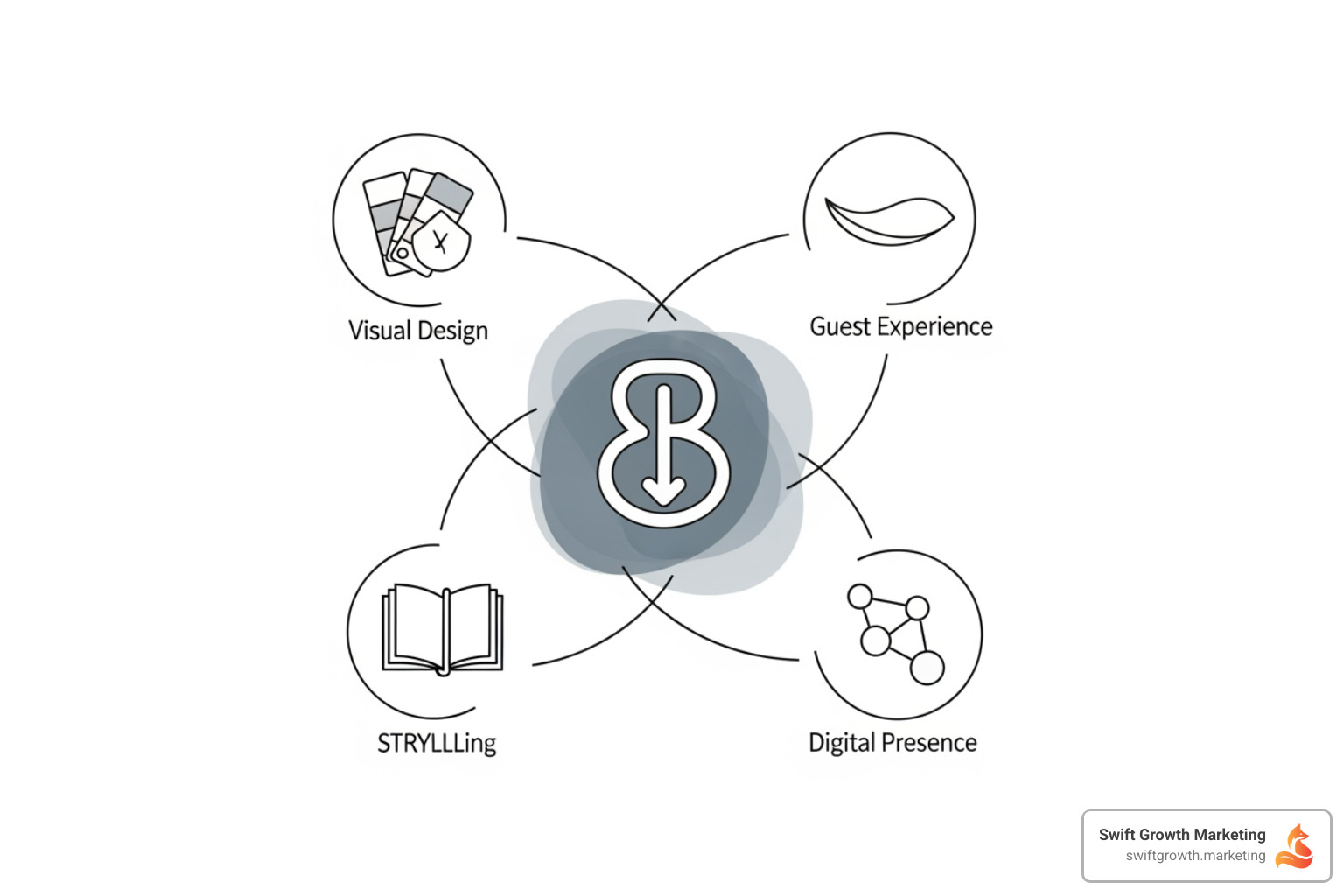
Hospitality branding is the strategic process of creating a distinct identity and experience for your hotel, resort, restaurant, or accommodation that differentiates you from competitors, builds emotional connections with guests, and drives loyalty and revenue. It encompasses:
| Component | Description |
|---|---|
| Brand Identity | Your mission, vision, values, and personality |
| Visual Design | Logo, color palette, typography, and imagery |
| Guest Experience | Every touchpoint from booking to checkout |
| Storytelling | The narrative that brings your brand to life |
| Digital Presence | Website, social media, and online reputation |
In a fiercely competitive industry where guests have endless options, your brand is far more than a logo or tagline. It’s the promise you make, the experience you deliver, and the emotional connection you forge. When reviews can sway 72% of potential customers and positive pictures can improve interest by more than 130%, branding becomes a powerful business asset that directly impacts your bottom line.
The stakes are high. The international luxury hospitality industry was valued at USD 140.28 billion in 2023 and is expected to reach USD 369.36 billion by 2032, representing a compound annual growth rate of 11.5%. Yet success in this growing market doesn’t come from simply existing—it comes from standing out. A strong brand helps you command premium pricing, attract direct bookings, weather market fluctuations, and build a loyal community of guests who return again and again.
But many hospitality businesses treat branding as an afterthought, focusing on operations and discounts while neglecting the strategic foundation. The result is that they blend into the background, compete on price, and struggle to build lasting guest relationships.
I’m Chris Hornak, Co-Founder of Swift Growth Marketing, where we’ve helped established brands transform from invisible to authoritative through strategic positioning and creative execution. Our work in hospitality branding focuses on building category authority through cohesive brand systems that drive measurable growth across every guest touchpoint.
The Foundation: What is Hospitality Branding and Why It Matters
Think of hospitality branding as the promise you make to every guest who considers walking through your doors. It’s the emotional connection you build, the expectations you set, and the trust you earn over time. This foundation goes far deeper than visual elements—it’s about consistently delivering an experience that makes people feel something genuine.
When a potential guest finds your property, they’re not just looking at amenities and rates. They’re asking themselves: What will it feel like to stay here? Can I trust this place? Will this experience be worth my money? Your brand answers these questions before anyone picks up the phone or clicks “book now.”
The numbers tell a compelling story. Reviews can sway 72% of potential customers, while positive pictures can improve interest by more than 130%. But these statistics reveal something deeper: people don’t just buy rooms or meals—they buy into brands that resonate with them emotionally. Your brand becomes the shorthand for everything you stand for, and in a crowded marketplace, that distinction matters tremendously.
Trust and credibility are the bedrock of successful hospitality branding. As we explore in Building Brand Trust: Generative AI’s Impact on Credibility, authentic credibility is crucial in today’s digital landscape. When guests trust your brand, they become loyal advocates.
Beyond the Logo: The Core Purpose of a Brand
Your brand is not your logo, though that’s often the first thing people think of. It’s the personality your business projects, the values you uphold, and the sum total of every interaction a guest has with you. From their first Google search to the goodbye wave from your front desk staff, each moment shapes how they perceive your brand.
This perception directly drives business outcomes. Studies show that branding influences purchase intention and financial performance. Positive brand emotions lead to more bookings, premium rates, and recommendations from guests.
A well-crafted brand shapes perceptions before the first interaction even happens. It sets clear expectations about what guests will experience, reducing uncertainty and building confidence in their decision. This clarity helps you establish a unique market position that distinguishes you from every other property competing for the same travelers.
Strong branding also builds loyalty in ways that discounts and promotions never can. When guests connect with your brand’s personality and values, they develop an emotional attachment that transcends price comparisons. They become part of your story, and you become part of theirs.
The Tangible Impact on Your Business

The real magic of hospitality branding shows up in your bottom line. When you build a brand that resonates, you create increased direct bookings as guests bypass third-party platforms to book straight through your website. This shift isn’t just convenient—it dramatically improves your profit margins by eliminating hefty commission fees.
A powerful brand also gives you the confidence to justify premium pricing. Guests don’t just pay for thread count and square footage—they pay for the experience and identity your brand promises. When your brand communicates quality, uniqueness, and value, guests willingly pay more because they trust they’re getting something special.
Your brand doesn’t just attract guests—it attracts the right team members too. Attracting and retaining talent becomes easier when you have a clear brand identity that employees can be proud of. Staff who align with your values deliver better service naturally, creating a positive cycle that reinforces your brand promise at every touchpoint.
Perhaps most valuable is the resilience in market fluctuations that a strong brand provides. When economic storms hit or unexpected crises emerge, businesses with established brands weather the turbulence better. Their loyal customer base provides stability, and their clear value proposition helps them adapt without losing their identity.
The competitive advantage extends across every aspect of your business. Revenue generation improves not just through higher rates and direct bookings, but through repeat visits and word-of-mouth referrals that cost nothing to acquire. Your brand becomes a business asset that appreciates over time, growing more valuable with each positive guest experience you deliver.
A 7-Step Guide to Building an Effective Hospitality Branding Strategy

Creating a memorable hospitality brand doesn’t happen overnight. It’s a thoughtful process that requires intention, clarity, and consistency. Think of it as building a house—you need a solid foundation before you can add the finishing touches that make it feel like home.
By breaking the process into manageable steps, you can build a brand that stands out and connects with your guests. Here’s our approach to building an effective hospitality branding strategy that drives real results.
Step 1: Define Your Unique Value Proposition
Before you can share your story with the world, you need to get crystal clear on what that story actually is. This is where many hospitality businesses stumble—they jump straight to designing logos or posting on social media without first understanding who they are at their core.
Start by defining your mission and vision. What’s your deeper purpose beyond filling rooms or tables? Are you creating a sanctuary for weary travelers, or maybe a hub for adventure seekers? Your mission is your “why,” and your vision paints a picture of the future you’re working toward.
Next, identify your core values—the non-negotiables that guide every decision you make. These aren’t just words on a website; they should show up in how your staff interacts with guests, how you handle problems, and what you prioritize when times get tough.
Your brand personality is equally important. If your hotel walked into a room, how would it behave? Would it be the sophisticated friend who knows all the best wine pairings, or the warm, approachable neighbor who makes everyone feel at home? This personality shapes everything from your visual style to your tone of voice in emails.
Finally, nail down your unique selling points. What do you offer that no one else can quite replicate? Maybe it’s your unbeatable location, your chef’s signature farm-to-table approach, or your commitment to zero-waste hospitality. Whatever it is, own it completely.
This foundational work enables you to create strategic messaging that builds trust and drives action across every guest touchpoint.
Step 2: Understand and Target Your Audience
Here’s a truth that might sting a little: you can’t be everything to everyone. The hotels and restaurants that try to appeal to every possible guest end up with a watered-down brand that resonates with no one.
The most successful hospitality brands know exactly who they’re serving. They understand their guests’ demographics—age, income level, where they live, what they do for work. But they go deeper than that, exploring psychographics: what keeps their ideal guests up at night, what they value most, what makes them feel alive.
Generational differences matter more than many hospitality businesses realize. The most common luxury consumer profiles vary significantly based on their generation. A Gen Z traveler might prioritize Instagram-worthy moments and authentic local experiences, while a Gen X guest might value privacy and personalized service. Baby Boomers often seek comfort, tradition, and attentive care. None of these preferences are better or worse—they’re just different.
Creating detailed guest personas brings all this research to life. Instead of marketing to “affluent travelers,” you’re speaking to “Sarah, a 34-year-old marketing director who takes three weekend getaways a year to decompress, values sustainability, and finds hotels through Instagram.” When you can picture your ideal guest this clearly, every branding decision becomes easier.
Step 3: Differentiate in a Crowded Market
Walk down any hotel corridor or browse booking sites for ten minutes, and you’ll see the problem: so many hospitality brands look and sound exactly the same. Luxury. Comfort. Convenience. These words have lost their meaning through overuse.
Real differentiation requires courage. It means choosing a niche positioning and committing to it fully. Instead of being a “great hotel for everyone,” become the ultimate wellness retreat, the most eco-conscious resort in your region, or the family-focused destination where kids are genuinely welcomed rather than merely tolerated.
Your unique amenities and service culture should reinforce this positioning. If you’re a wellness-focused brand, maybe you offer private jacuzzi and sauna experiences, meditation gardens, or nutrition consultations. If you’re positioning as the most family-friendly option, perhaps you provide kids’ cooking classes, age-appropriate adventure programs, or childcare services that actually give parents a break.
Sustainability deserves special attention because it’s become a genuine priority for many travelers. Research shows that sustainability has become a priority in hotel selection. But here’s the thing: don’t just slap some recycling bins in the lobby and call it a day. Integrate sustainable practices into your operations, then make them part of your brand story. Show guests how they’re participating in something meaningful when they stay with you.
The goal isn’t just to compete—it’s to become a category leader in your chosen space. When you own a specific niche, price comparisons become less relevant because you’re not directly comparable to anyone else.
Bringing the Brand to Life: Storytelling, Design, and Guest Loyalty
You’ve laid the groundwork for your brand. You know who you are, who you’re speaking to, and what makes you different. Now comes the exciting part: bringing that brand to life in ways that guests can see, feel, and remember.
This is where hospitality branding moves from strategy to reality, where emotional resonance meets sensory experience. Personalization transforms a pleasant stay into an unforgettable one, turning first-time visitors into loyal advocates.
The Power of Storytelling in Hospitality Branding
A captivating story has the power to create a deep connection. Neuroscience shows that compelling narratives trigger neural coupling, which creates empathy and connection between the storyteller and the listener.
For hospitality branding, this means your story isn’t just marketing fluff—it’s a genuine bridge between you and your guests. Authenticity is the cornerstone here. Your brand story should reflect the real history, mission, and values that drive your business. Maybe your boutique hotel was once a family home with a fascinating past. Perhaps your restaurant sources ingredients from the founder’s childhood farm. These genuine narratives invite guests to connect on a deeper level.
When you share your story authentically, you’re building empathy. Guests stop seeing you as just another place to stay or dine. They see the people behind the brand, the passion that drives it, and the purpose that shapes every decision. This emotional connection transforms passive customers into invested advocates who feel personally connected to your success.
The best stories create vivid, lasting memories by evoking strong emotions. This is crucial because people remember how you made them feel long after they forget the thread count of your sheets. By weaving in your history and mission, you humanize your business. Share the origin story, introduce the team members who make magic happen daily, and communicate why you do what you do. These elements make your brand relatable and memorable.
At Swift Growth Marketing, we use AIDA storytelling to craft brand narratives that convert, ensuring your story doesn’t just resonate—it drives real business results.
Designing the Experience: Visuals and Physical Space
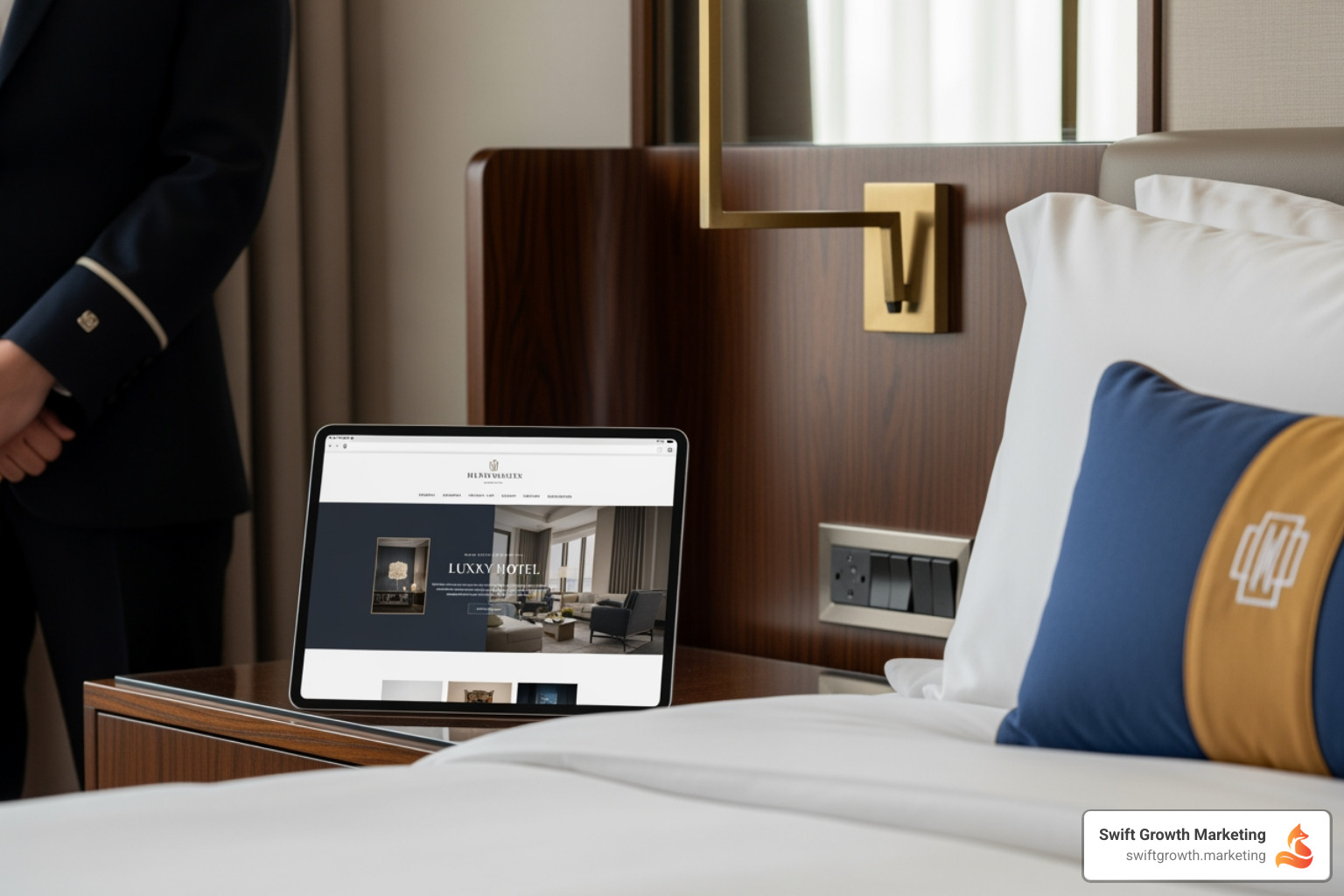
Design is where your brand becomes tangible. It’s the language your brand speaks before you say a single word. Every visual element and physical space tells your story, reinforces your personality, and shapes guest expectations.
Your logo and typography are the immediate identifiers of your brand. They appear on everything from your website to your welcome cards, and they need to be distinctive, memorable, and consistent. These aren’t just decorative choices—they’re strategic tools that help guests recognize and remember you.
But hospitality branding really comes alive in your interior design. Your physical space is where guests spend most of their time with your brand, and every design decision matters. The furniture you choose, the lighting that sets the mood, the color palette that creates atmosphere, the materials that guests touch—all of these should reinforce your brand story. If you’re a wellness retreat, calming earth tones and natural materials communicate that instantly. If you’re a vibrant urban boutique hotel, bold colors and contemporary art might tell your story better.
Your lobby, in particular, deserves special attention. It’s often where trust is first established, where first impressions form, and where your brand promise begins to materialize. Make it count.
Your website and digital interfaces must be seamless extensions of your physical brand. A clunky booking process or outdated website undermines even the most beautiful property. Your online presence should reflect the same care, attention, and personality that guests will find in person. Investing in future-proof website design ensures your digital storefront always matches the excellence of your physical spaces.
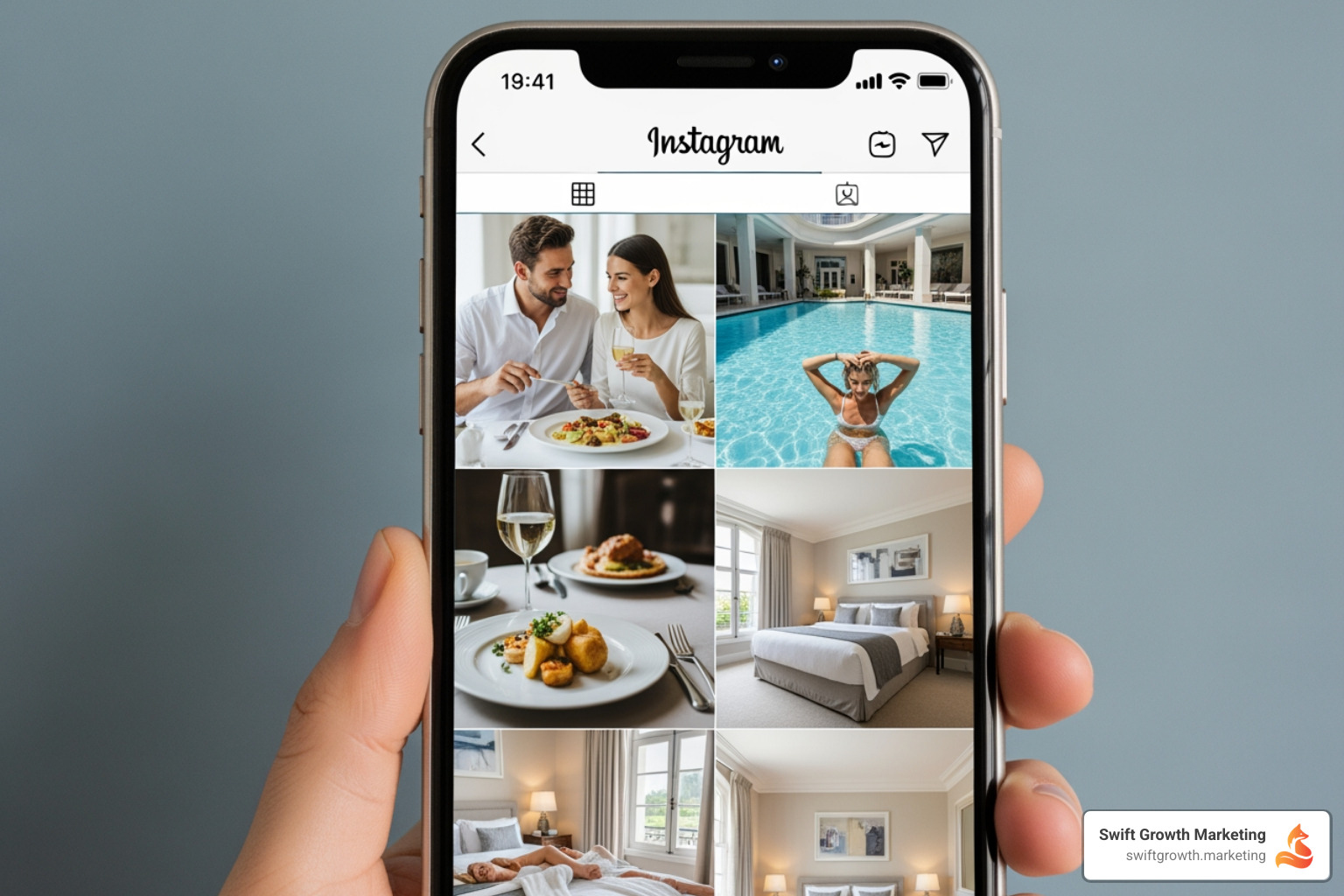
Never underestimate the power of photography and videography. High-quality visuals that capture the authentic essence of your brand and the genuine guest experience are essential. Positive pictures can improve interest by more than 130%. But these images need to be honest representations—nothing erodes trust faster than arriving at a property that doesn’t match its photos.
The key to all of this is consistency. When your visual elements align across every platform and touchpoint, you reinforce brand recognition and create a cohesive experience that feels intentional and trustworthy.
From First-Time Guest to Loyal Advocate
Here’s where everything comes together. The ultimate goal of effective hospitality branding isn’t just attracting guests—it’s turning single visits into lasting relationships and satisfied customers into enthusiastic advocates.
This change starts with consistent touchpoints. Every interaction matters. The booking process should be smooth and align with your brand personality. Check-in should feel welcoming and reflect your values. Dining, room service, amenities, activities, check-out, and even post-stay communication all need to deliver on your brand promise. When these touchpoints are consistent, they build trust and reinforce the expectations you’ve set.
But consistency alone isn’t enough. The magic happens when you consistently exceed expectations. This doesn’t mean expensive upgrades or over-the-top gestures (though those can be nice). Often, it’s the thoughtful details that matter most. Remembering a returning guest’s name and preferences. Anticipating needs before they’re expressed. Proactively addressing small concerns before they become problems. These personalized touches create memorable experiences that guests talk about for years.
Loyalty programs can play a role here, but they’re not just about accumulating points. The best loyalty programs make guests feel genuinely valued and recognized. They offer meaningful benefits that improve the experience, not just transactional rewards.
Here’s the compelling truth: McKinsey research shows that positive past experiences are the main reason consumers choose a travel brand—ranking higher than value, quality, or even convenience. Think about that. Your guests will forgive a slightly higher price or a less convenient location if they remember how you made them feel during their last visit.
When you focus on delivering exceptional, consistent experiences that align with your brand promise, something wonderful happens. Guests don’t just return—they become advocates. They recommend you enthusiastically to friends, family, and colleagues. They defend you in online forums and leave glowing reviews. They become part of your brand story, and their loyalty becomes one of your most valuable assets.
This is the true power of hospitality branding: changing transactions into relationships and customers into community.
Measuring Success and Amplifying Your Reach in the Digital World
Once you’ve built a compelling hospitality brand, the work doesn’t stop there. You need to understand what’s resonating with your audience, what’s driving bookings, and where you can improve. In today’s data-driven landscape, measuring the impact of your hospitality branding efforts isn’t just helpful—it’s essential.
The digital world provides unprecedented visibility into your brand’s performance. From website analytics to social listening tools, you can track your brand’s reach and effectiveness. The challenge is knowing which metrics matter and how to use them to make smarter decisions.
Leveraging Digital Media for Hospitality Branding
Digital media has transformed how hospitality brands connect with guests. It’s no longer enough to have a beautiful property and hope word-of-mouth does the rest. Your online presence is often the first—and sometimes only—impression potential guests have of your brand.
Search Engine Optimization (SEO) ensures that when travelers search for accommodations or dining experiences, your brand appears prominently in their results. Our SEO marketing approach focuses on making your brand findable at exactly the moment potential guests are looking for what you offer.
Social media presence gives your brand a personality and a voice. Instagram, Facebook, and other platforms aren’t just for pretty pictures—they’re opportunities to share your story, showcase real guest experiences, and engage in authentic conversations. When you humanize your brand through genuine interactions, you build connections that transcend transactional relationships.
Content marketing allows you to provide value beyond the booking. Share local travel tips, behind-the-scenes glimpses of your team, stories about your sustainability initiatives, or guides to your destination. This positions your brand as a helpful resource rather than just a place to stay or dine.
Online reputation management deserves special attention because reviews can sway 72% of potential customers. Monitoring and responding to feedback on Google, TripAdvisor, and other platforms shows you care about guest experiences. A thoughtful response to a negative review can actually strengthen your brand more than a dozen positive reviews.
Influencer marketing extends your reach through trusted voices. When travel bloggers, food critics, or local personalities share their genuine experiences with your brand, they introduce you to audiences who value their recommendations.
How to Measure the ROI of Your Branding Initiatives
Measuring branding ROI can feel abstract, but it becomes clear when you focus on the right metrics. Start by establishing Key Performance Indicators (KPIs) that align with your specific branding goals. These might include brand awareness metrics like social media mentions and reach, website traffic patterns, or engagement rates across your digital channels.
Guest satisfaction scores provide direct insight into whether your brand promise matches the delivered experience. Tools like Net Promoter Score (NPS) measure how likely guests are to recommend your brand to others—a powerful indicator of brand strength. When guests become advocates, you’ve transcended simple satisfaction.
Direct booking rates reveal brand trust in action. When guests book directly through your website rather than third-party platforms, they’re demonstrating confidence in your brand. This metric also has immediate financial benefits, reducing commission costs while building a direct relationship with your guests.
Return on Experience (ROX) measures the value created by investing in exceptional guest experiences. Unlike traditional ROI calculations, ROX captures the long-term benefits of creating memorable moments that drive loyalty and advocacy.
Customer Lifetime Value (CLV) shows how effective your brand is at creating lasting relationships. Strong hospitality branding doesn’t just attract guests once—it brings them back repeatedly and increases their spending over time.
Social listening tools and website analytics provide real-time feedback on how your brand is perceived and how people interact with your digital presence. These tools help you spot trends, identify opportunities, and address issues before they escalate.
Review analysis goes deeper than star ratings. By examining the themes and sentiments in guest feedback, you uncover specific strengths to amplify and weaknesses to address. This qualitative data often reveals insights that numbers alone cannot capture.
Understanding these growth marketing components accelerates your marketing strategy and transforms branding from an abstract concept into measurable business growth. For practical guidance on maximizing your investment, explore our 5 tips to getting a better ROI from your growth marketing budget.
The beauty of digital measurement is that it creates a feedback loop. You implement branding initiatives, measure their impact, learn from the results, and refine your approach. This continuous improvement cycle ensures your hospitality branding evolves with your guests’ changing preferences and market dynamics.
Conclusion
Your brand is more than just what makes you different—it’s the entire experience you create, the promise you keep, and the emotional connection you build with every guest who walks through your doors. In an industry where 72% of potential customers are influenced by reviews and a single positive image can increase interest by over 130%, hospitality branding isn’t optional anymore. It’s the strategic foundation that determines whether you’ll thrive or simply survive.
Throughout this guide, we’ve explored how authentic, consistent branding transforms businesses into beloved destinations. By defining your value proposition, understanding your audience, and differentiating meaningfully, you build the trust that turns first-time visitors into lifelong advocates.
The hospitality industry is only getting more competitive, but that’s exactly why now is the time to invest in your brand. A strong brand doesn’t just help you fill rooms or tables tonight. It builds resilience against market fluctuations, justifies premium pricing, attracts talented team members who share your values, and creates a loyal community that returns again and again. Your brand becomes a business asset that grows in value over time.
The best part? You don’t have to figure this out alone. At Swift Growth Marketing, we understand that a powerful brand is the cornerstone of sustainable growth. We’ve helped established businesses transform from invisible to authoritative through strategic positioning and creative execution that drives real, measurable results.
Ready to build a hospitality branding strategy that captivates and converts? Let’s create something remarkable together. Explore our Growth Marketing Consultancy services to see how we can help you master your market and build a brand that stands the test of time.

chris
Insights on brand authority, positioning, and growth strategy from the Swift Growth Marketing team.